


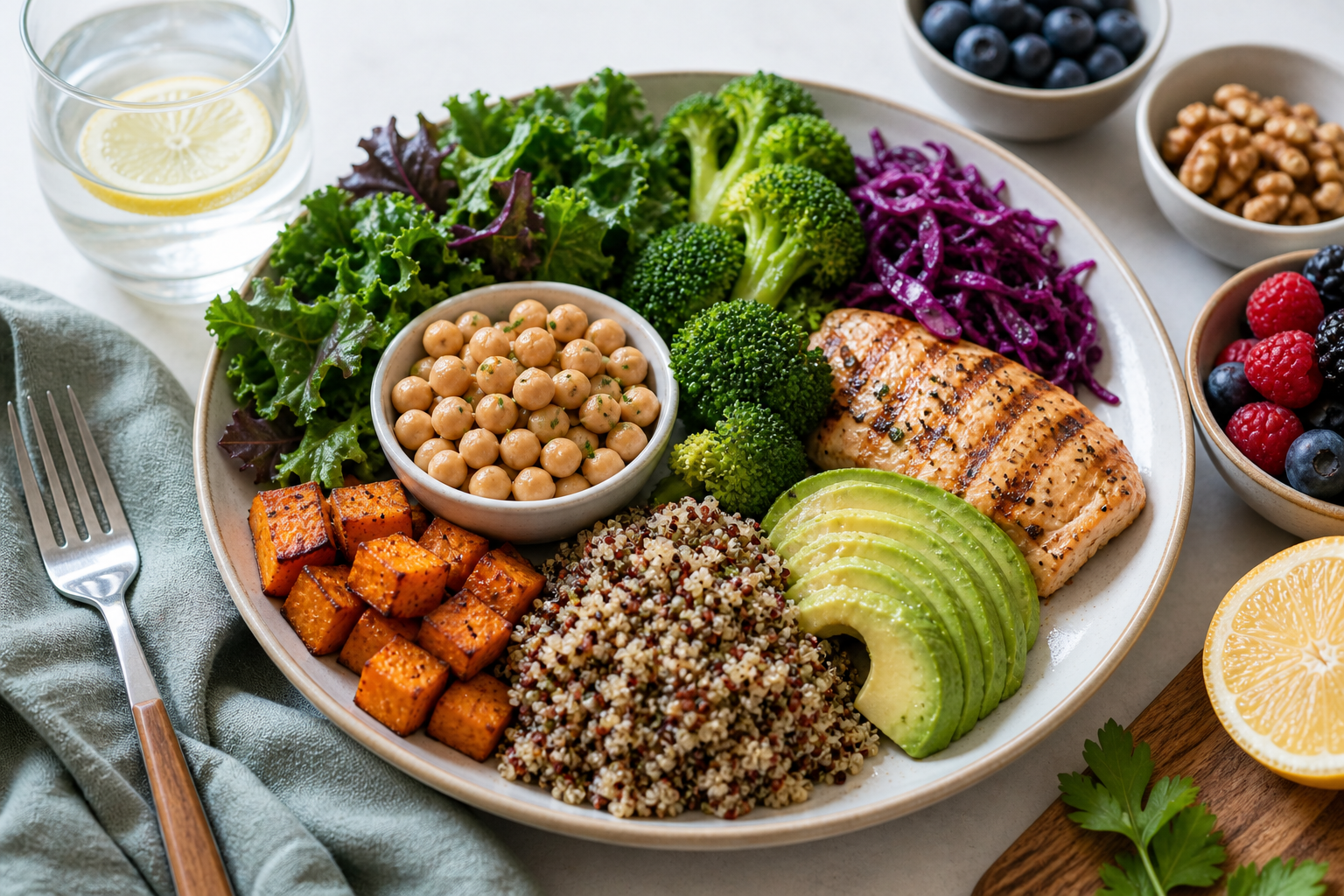
Simple, everyday food choices that may lower your risk of colorectal cancer.
We know — nobody expects to walk into a doctor's office and talk about what they had for dinner. But at Gather Health, we believe that real care means looking at the whole picture of your life, including what you eat, how you move, and the small daily habits that add up to something big over time.
When it comes to colorectal cancer, those habits matter more than most people realize. Research tells us that more than half of colorectal cancer cases in the US are linked to factors we can actually do something about. And a lot of that starts at the dinner table.
You don't need a special diet or an expensive meal plan. The foods that protect your colon are the same ones your grandmother probably told you to eat more of. Here's what the research consistently points to:
Fiber, fiber, fiber. This is the big one. A diet rich in fiber — from vegetables, fruits, whole grains, and legumes — helps keep things moving through your digestive system, reducing the amount of time that potential carcinogens spend in contact with the lining of your colon. Think oatmeal in the morning, a hearty bean soup for lunch, or a side of roasted vegetables at dinner. Small swaps, big impact.
Leafy green vegetables. Broccoli, Brussels sprouts, cabbage, spinach, and kale contain compounds that research suggests may help protect cells in the colon from damage. These aren't miracle foods, but they're powerful ones. If you're not a fan of broccoli on its own, try it roasted with a little olive oil and garlic — it's a different experience entirely.
Colorful fruits and vegetables. The deeper and richer the color, the more antioxidants you're getting. Blueberries, carrots, red peppers, tomatoes, beets — these foods contain nutrients that help reduce inflammation in the body, and chronic inflammation is one of the pathways linked to cancer development.
Calcium-rich foods. There's solid evidence connecting good calcium intake to a lower risk of colorectal cancer. Low-fat dairy, fortified plant milks, leafy greens, and canned salmon with bones are all good sources. This is an easy one to work into your daily routine.
Garlic and onions. These kitchen staples belong to the allium family, which has been studied for its potential to slow the growth of cancer cells in the colon. Beyond any clinical benefit, they make everything taste better — which is reason enough.
Whole grains over refined. Swapping white bread and white rice for whole grain versions is one of the simplest changes you can make. Brown rice, whole wheat bread, farro, and quinoa all deliver the fiber your colon loves.
Food doesn't work in isolation. Physical activity is one of the most powerful tools we have for reducing colorectal cancer risk. Regular movement — even a daily walk around the block — helps regulate digestion, reduces inflammation, and supports a healthy weight, all of which contribute to a healthier colon.
You don't need a gym membership or a complicated routine. A 20 to 30 minute walk most days of the week is genuinely meaningful. If you're not sure where to start, talk to your Gather Health care team. We'll meet you where you are.
Here's the thing about prevention: it works best in layers. A healthy diet and active lifestyle reduce your risk. But they don't replace screening. Colorectal cancer can develop even in people who do everything right, and the only way to catch it early — when it's most treatable — is to get screened on schedule.
At Gather Health, we make that easy. Whether it's a Cologuard stool DNA test you can do from home or a conversation about whether a colonoscopy is right for you, your care team is ready to walk you through it. We're here to be your partner in building the kind of life that keeps you well, one small step at a time.
— Your Gather Health Team
Ready to talk about your colorectal health? Ask about screening options at your next Gather Health visit, or reach out to your care team today.
Stay connected
Get the latest from Gather Health — events, wellness tips, and community news delivered to your inbox.
We care about your data in our Privacy Policy.
Advice, health tips, and the latest updates to help you live your best life.
May 13, 2026
Eat Well
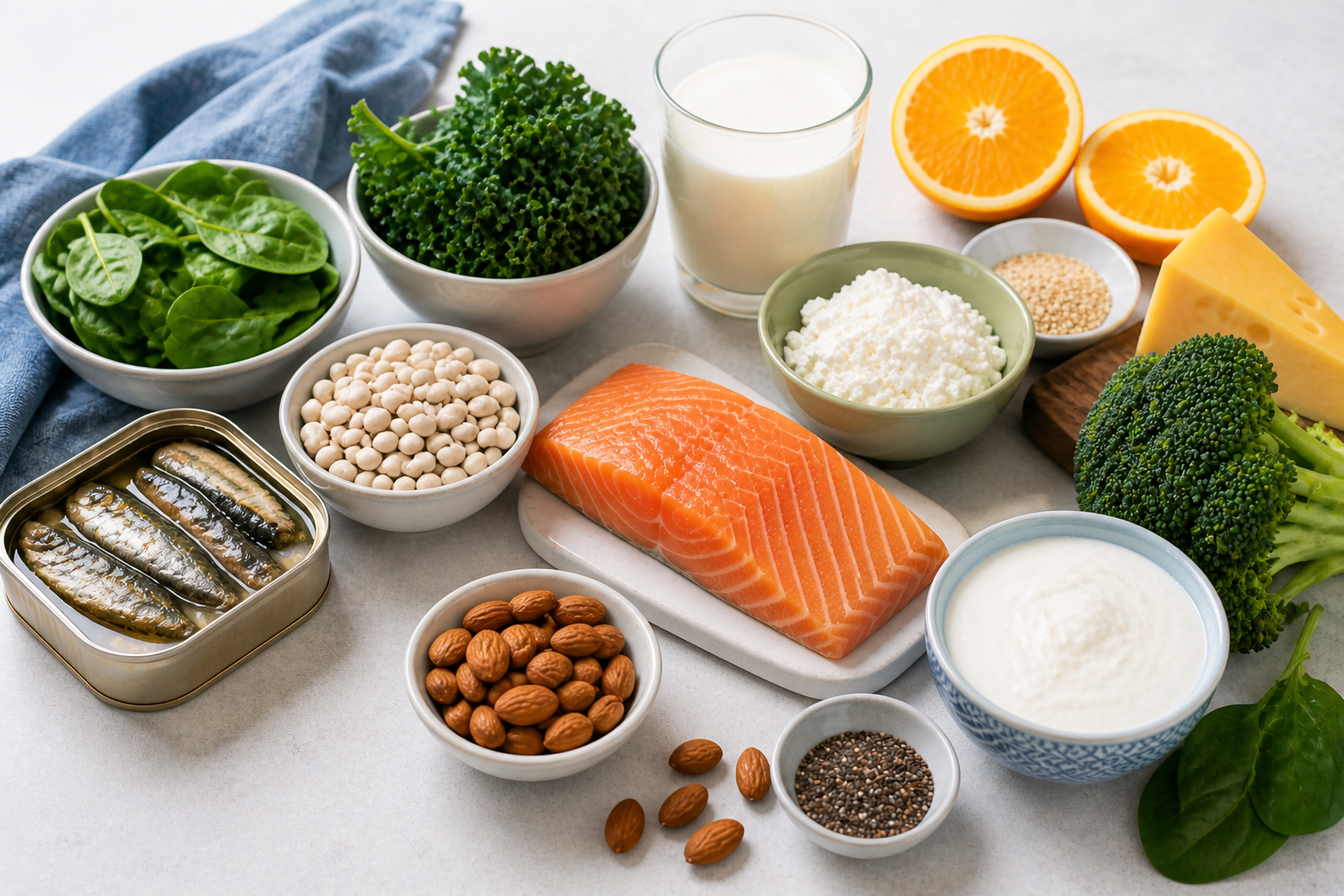
You don't need a complicated diet plan. You just need to know which foods are doing double duty for your skeleton — and make a habit of reaching for them a little more often.


.webp)
Real people from your community, ready to help.
We provide primary care that makes you
feel at home. Dedicated to adults 65+.


Get helpful health tips, upcoming events, and updates from your local Gather Health center.