


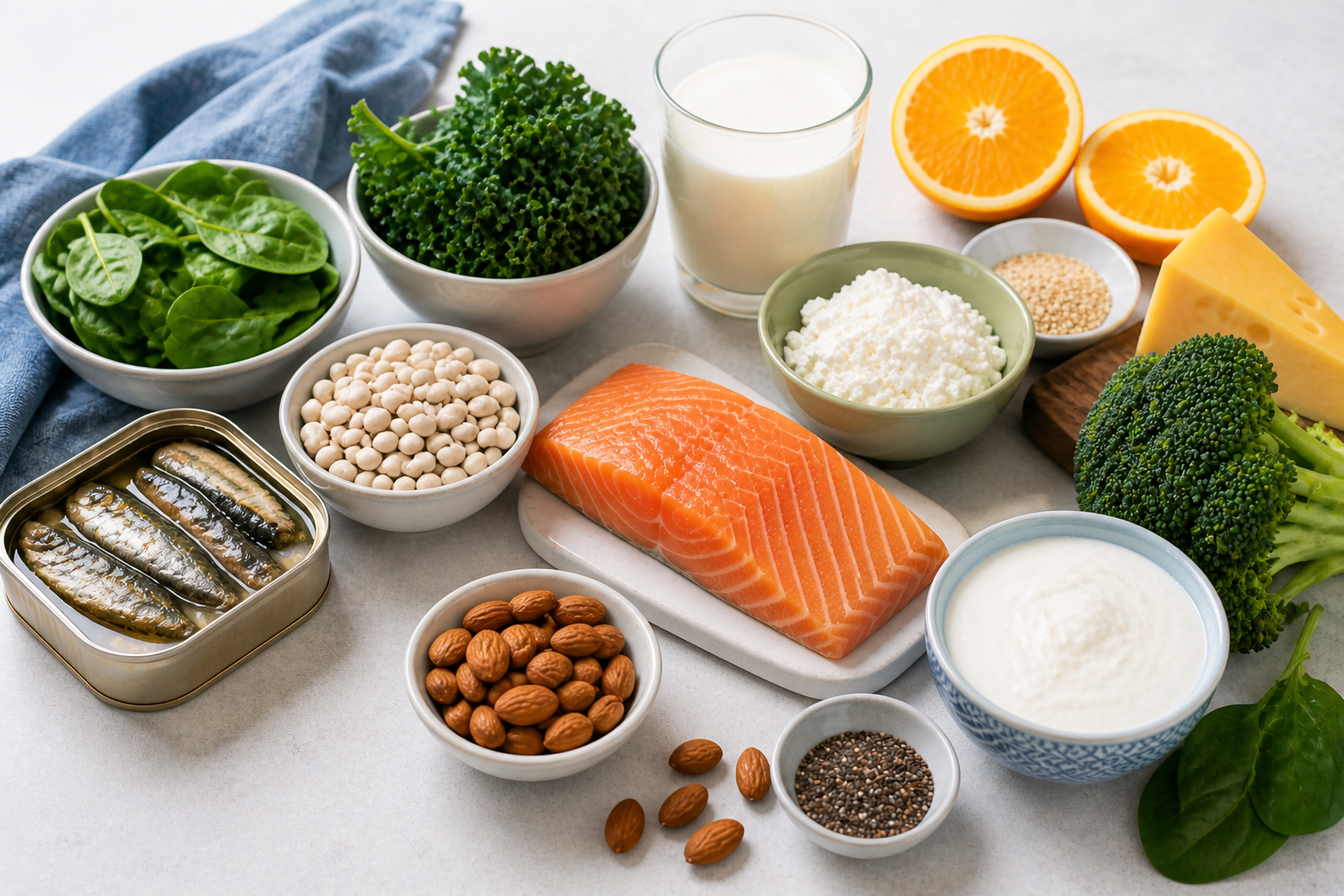
Sức khỏe xương tốt bắt đầu từ những gì bạn ăn.
Bạn không cần một kế hoạch ăn kiêng phức tạp. Bạn chỉ cần biết những loại thực phẩm nào mang lại lợi ích kép cho hệ xương của bạn — và tạo thói quen chọn chúng thường xuyên hơn một chút.
Khi nói đến sức khỏe xương, ba dưỡng chất này đóng vai trò chủ chốt.
Canxi là thành phần cấu tạo nên xương của bạn. Cơ thể bạn liên tục rút canxi từ xương và bổ sung lại — và khi không thể bổ sung đủ nhanh, xương sẽ bị mất đi. Vitamin D là yếu tố giúp quá trình bổ sung đó diễn ra; nếu không có nó, cơ thể bạn không thể hấp thụ canxi đúng cách, dù bạn ăn bao nhiêu đi chăng nữa. Và protein thường bị bỏ qua trong các cuộc thảo luận về sức khỏe xương, nhưng nó chiếm khoảng một phần ba mô xương và đóng vai trò quan trọng trong việc giữ xương chắc khỏe và phục hồi sau căng thẳng.
Hãy cố gắng nạp 3 đến 4 khẩu phần thực phẩm giàu canxi mỗi ngày. Điều này dễ thực hiện hơn bạn nghĩ.
Sữa, sữa chua và phô mai vẫn là một trong những nguồn canxi đáng tin cậy nhất hiện có. Một ly sữa 8 ounce cung cấp khoảng một phần tư nhu cầu canxi hàng ngày của hầu hết người lớn tuổi. Sữa chua thường cung cấp nhiều hơn nữa, và nó còn có lợi ích bổ sung là hỗ trợ sức khỏe đường ruột, giúp hấp thụ chất dinh dưỡng nói chung. Phô mai cũng hiệu quả, ngay cả với lượng nhỏ — một chút cũng tạo ra sự khác biệt lớn.
Nếu bạn không dung nạp lactose, bạn vẫn còn nhiều lựa chọn. Các sản phẩm sữa không chứa lactose có hàm lượng canxi tương đương, và nhiều người thấy rằng sữa chua và phô mai ủ lâu năm dễ dung nạp hơn.
Không phải ai cũng nhận ra rằng một số loại rau củ lại giàu canxi một cách đáng ngạc nhiên. Cải xoăn, cải rổ và cải thìa là một trong những nguồn thực vật tốt nhất. Đặc biệt, cải rổ là một lựa chọn nổi bật — một chén cải rổ nấu chín cung cấp nhiều canxi hơn một ly sữa. Những loại rau xanh này cũng giàu vitamin K, đóng vai trò hỗ trợ trong quá trình chuyển hóa xương.
Một lưu ý nhỏ: rau bina (cải bó xôi) và cải cầu vồng có chứa canxi, nhưng chúng cũng chứa oxalat, chất cản trở sự hấp thụ. Hãy ưu tiên cải xoăn, cải rổ và cải thìa để có lợi ích lớn nhất cho xương.
Sữa thực vật tăng cường — sữa hạnh nhân, sữa yến mạch, sữa đậu nành — thường được tăng cường lượng canxi tương đương sữa bò, và nhiều loại còn bổ sung thêm vitamin D. Ngũ cốc và nước cam tăng cường cũng có thể bổ sung lượng canxi cần thiết mà không cần thêm nỗ lực nào. Chỉ cần kiểm tra nhãn mác; không phải tất cả các nhãn hiệu đều giống nhau, và mức độ tăng cường cũng khác nhau.
Những thực phẩm này đặc biệt hữu ích cho những bệnh nhân không ăn nhiều sản phẩm từ sữa hoặc đang cố gắng tăng cường tổng lượng hấp thụ.
Cá hồi, cá mòi (đặc biệt là loại có xương) và cá thu đóng hộp là một trong số ít thực phẩm tự nhiên chứa lượng vitamin D đáng kể. Hầu hết chúng ta không tiếp xúc đủ ánh nắng mặt trời — đặc biệt là vào mùa đông ở New England — để tự sản xuất đủ vitamin D, điều này khiến các nguồn thực phẩm và thực phẩm bổ sung trở nên quan trọng hơn. Cá mòi có xương cũng cung cấp một lượng canxi đáng kể, khiến chúng trở thành một trong những thực phẩm tốt cho xương hiệu quả nhất.
Hạnh nhân là một trong những nguồn canxi không từ sữa tốt nhất trong số các loại hạt. Đậu trắng, đậu gà và đậu lăng bổ sung canxi, magiê và protein vào chế độ ăn uống của bạn. Chúng dễ dàng thêm vào súp, salad hoặc các bữa ăn bạn đang chuẩn bị — không cần công thức đặc biệt.
Hãy chia nhỏ lượng canxi nạp vào cơ thể trong ngày thay vì nạp một lượng lớn trong một bữa ăn — cơ thể bạn hấp thụ tốt hơn khi ở lượng nhỏ. Kết hợp thực phẩm giàu canxi với vitamin D khi có thể. Hạn chế nạp quá nhiều natri, vì điều này có thể khiến cơ thể bạn đào thải nhiều canxi hơn. Và nếu bạn uống nhiều cà phê hoặc nước ngọt, hãy lưu ý rằng lượng caffeine dư thừa có thể cản trở quá trình hấp thụ canxi theo thời gian.
Xương chắc khỏe không được hình thành từ một loại siêu thực phẩm duy nhất hay một sự thay đổi chế độ ăn uống đột ngột. Chúng được xây dựng theo thời gian, từng bữa ăn một, với những lựa chọn nhỏ tích lũy dần. Thêm một ít sữa chua vào bữa sáng của bạn. Cho một ít cải xoăn vào súp của bạn. Luôn có một nắm hạnh nhân bên cạnh. Đây không phải là sự hy sinh — mà là những khoản đầu tư cho cuộc sống mà bạn muốn tiếp tục tận hưởng.
Và như mọi khi, hãy mang theo câu hỏi của bạn đến lần khám tiếp theo. Cho dù đó là về chế độ ăn uống hay kết quả đo mật độ xương của bạn, đội ngũ chăm sóc sức khỏe Gather Health của bạn luôn sẵn sàng cùng bạn giải quyết.
Bạn muốn đọc thêm? Hãy xem bài viết khác của chúng tôi: Xương Chắc Khỏe, Cuộc Sống Vững Vàng — Những Điều Bạn Cần Biết Về Loãng Xương và Xét Nghiệm Mật Độ Xương.
Luôn kết nối
Nhận thông tin mới nhất từ Gather Health — sự kiện, mẹo chăm sóc sức khỏe và tin tức cộng đồng gửi thẳng vào hộp thư của bạn.
Chúng tôi quan tâm đến dữ liệu của bạn trong Chính sách quyền riêng tư của chúng tôi.
Lời khuyên, mẹo sức khỏe và những cập nhật mới nhất để giúp bạn sống một cuộc sống trọn vẹn nhất.
June 2, 2026
Ăn uống tốt
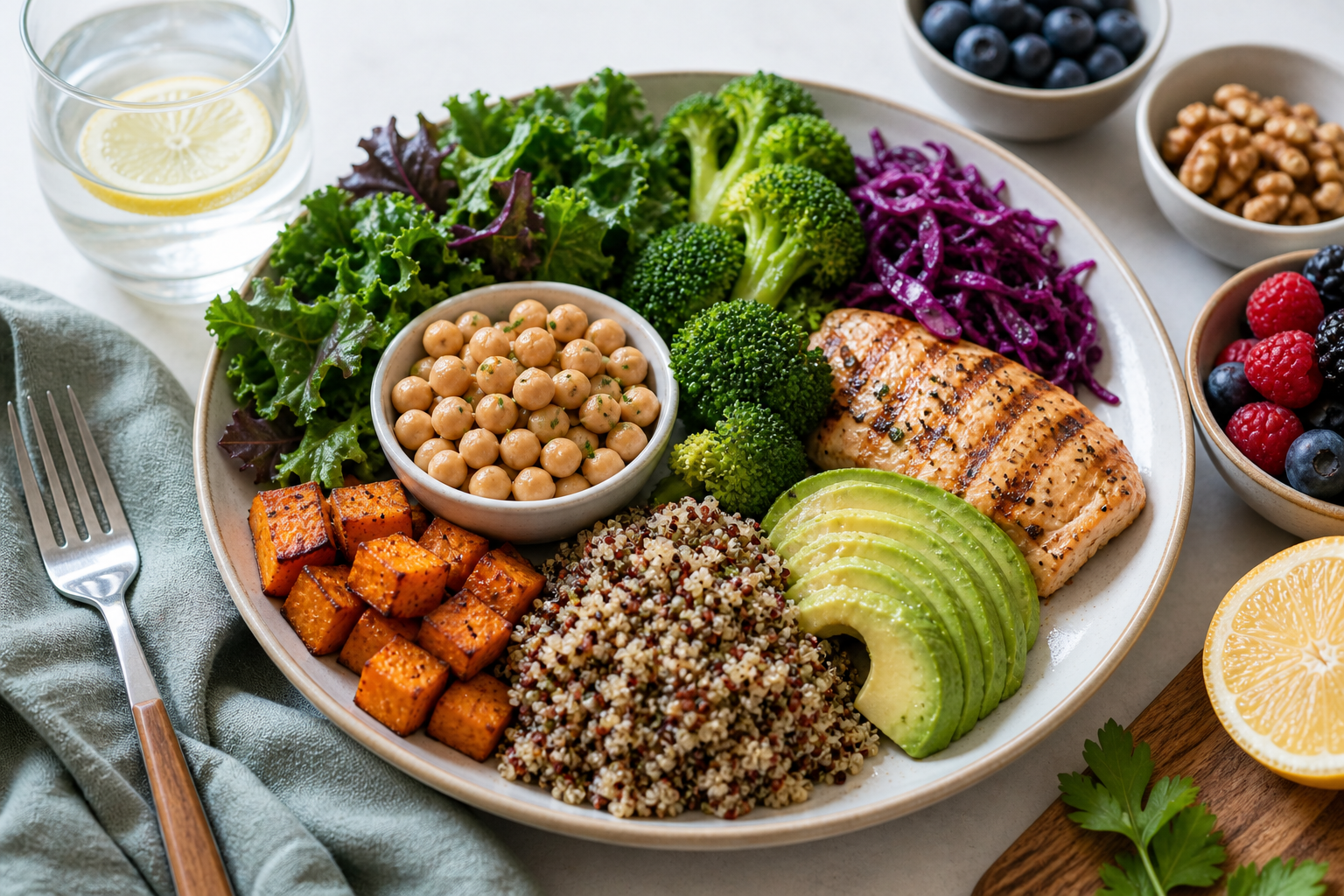
Chúng tôi biết — không ai mong đợi bước vào phòng khám bác sĩ và nói về bữa tối của mình. Nhưng tại Gather Health, chúng tôi tin rằng sự chăm sóc thực sự có nghĩa là nhìn vào bức tranh toàn cảnh về cuộc sống của bạn, bao gồm những gì bạn ăn, cách bạn vận động và những thói quen nhỏ hàng ngày tích lũy thành những điều lớn lao theo thời gian.


.webp)
Những con người thật từ cộng đồng của bạn, sẵn sàng giúp đỡ.
Chúng tôi cung cấp dịch vụ chăm sóc ban đầu giúp bạn
cảm thấy như ở nhà. Dành riêng cho người lớn từ 65 tuổi trở lên


Nhận các mẹo sức khỏe hữu ích, các sự kiện sắp tới và cập nhật từ trung tâm Y tế Gather tại địa phương của bạn.